i think this is the next design book i need. looking at all the beautiful hand-lettering going on these days, i got to the point of searching out local classes i could take. it sounds like draw your own fonts is a great place for a non-drawer like me to start. read the whole review here.
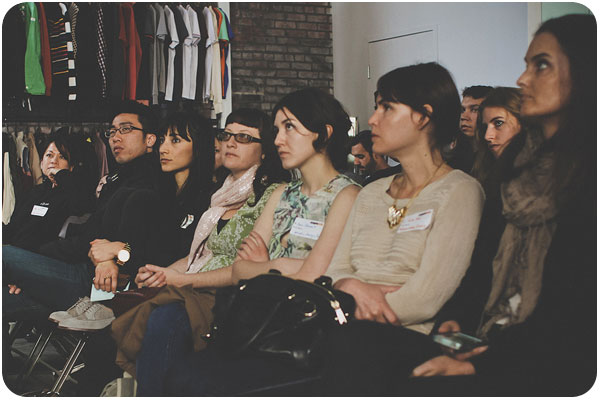
look at that captive audience [myself and the gorgeous ladies of the natural curiosities design department], up bright & early on a friday!
creative mornings, started by tina roth eisenberg in new york, has had a los angeles chapter that’s been active for about 3 years, and since then has grown so many chapters worldwide, i’ve lost count. i’ve been going off an on to the ones on the east side, and find they always have a new angle on some aspect of running a creative business that is inspiring. the person we are listening to in the photo above is stephen kenn talking about designing fashion and furniture inspired by reused fabrics he discovered in a downtown warehouse he found simply by wandering around. he and his wife also host the backdoor coffee club, which i dropped in on yesterday, and where i met some very interesting & creatively active people. i love all the avenues you can follow through the people you meet even in just the design industry.
image: sarah mick
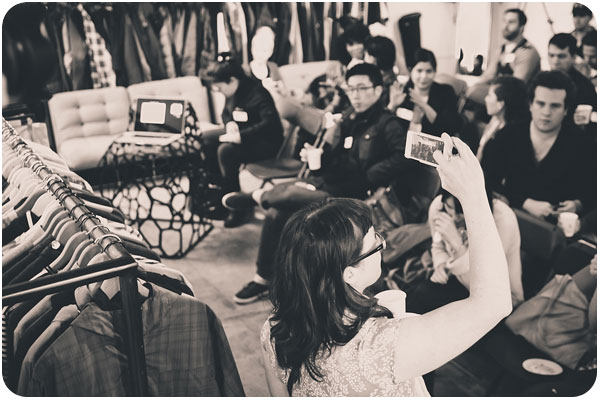
regular photographer, sarah mick captures all aspects of the events. she took a picture of me doing this.
this year, each monthly talk is on a theme. here are the first 2 of 2013, on money and happiness. watch & enjoy, and follow their twitter to find out when to rsvp.
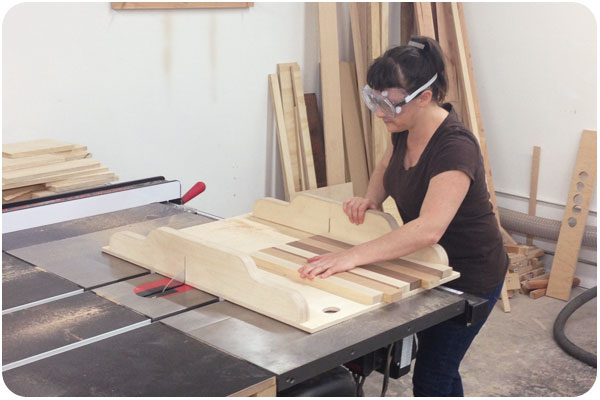
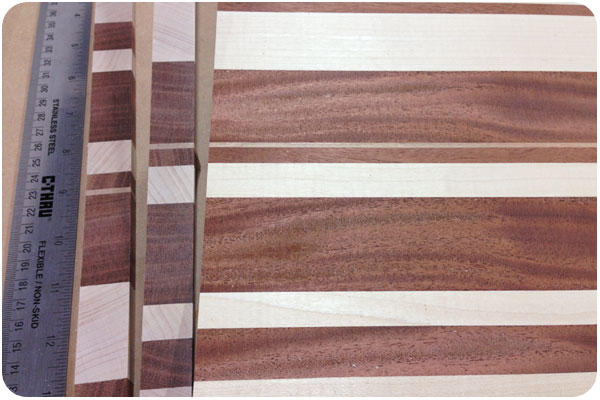
last month, i talked about community woodshop and the first half of our cutting board class. last week i completed the class and came away with 2 nice cutting boards. the first step in finishing up is to trim the uneven edges, which i am doing with a squaring template on the table saw above.
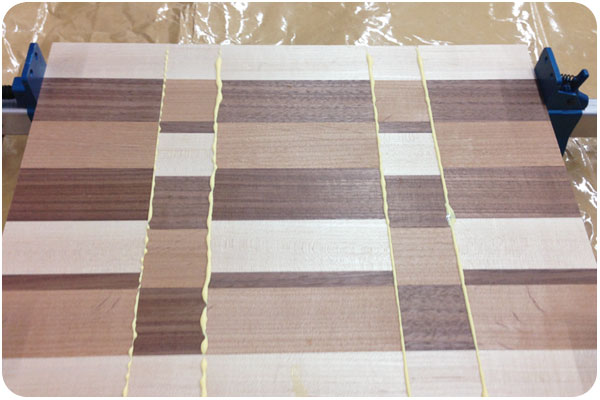
once i got my trimmed pieces, it was time to decide if i would do any cross cuts and flips. the wood grain itself will always look pretty on its own, but i used the trimmed edges to see where they flipped cuts would match up. i decided to cut the board into 5 pieces and flip symmetrically.
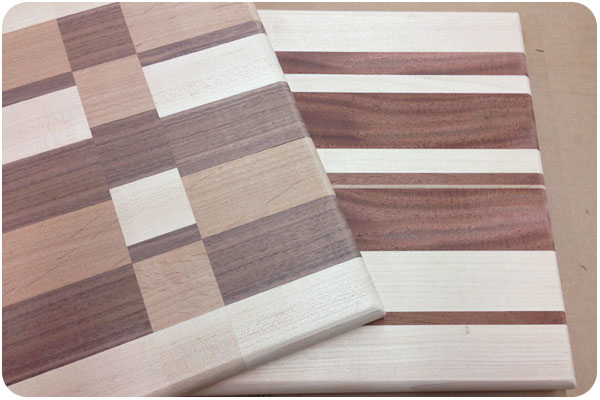
after these final design edits, when the glue is dry, we plane both surfaces and decide on any edge finishes. i decided on simple rounded edges for one, and only one round for the other. then it’s off to the sander to get all surfaces perfectly smooth.
once they’re ready to go, we got out the beeswax. it’s more of a heavy grease that smells like fine bath products and soaks into both wood and your hands, giving both a nice finish. the color of the wood really came alive with this application. i think they look great, but now i’m a little hesitant to take a knife to them. next up, i’ve signed up for basic cabinetry. i can’t wait to see what manner of trouble i can get into there!
jason adam, mark leroy, heather parlato, spencer cross & petrula vrontikis. photo by paul dimalanta for aiga
last week, i had a blast participating on the aiga los angeles discussion panel blueprint: freelance! i was in excellent company, in concert with mark leroy of silver echo, spencer cross of tokyofarm, and petrula vrontikis of vrontikis design office, moderated by jason adam of hexanine.
i considered the many freelance debates and debacles i’ve been through in preparation, but it seemed once we got going, we really could have talked for hours. one great thing about running your own business is that you can always learn from 3 other people if you sit down and talk about it. everyone has a different experience or has learned some specific twist that can help ratchet the industry ever closer to best & ideal practices. jason kept us from picking apart the details of every point by moving the discussion along.
we talked about a great many things, and all kinds of questions rolled in. aside from saving your money, increasing your moonlighting till you can’t stand it and attempting to take your employer as a client, i think the most general statement about the great unknown can be summed up by these 3 steps of transitioning to freelance:
1. know yourself first. you will have to search yourself for your personal philosophy about how you want to run your business. you’ll draw on past experiences, books and articles you’ve read, inspiration from mentors, and you’ll have a pretty good idea of how you want things to go. you’ll decide on your market positioning and your mission statement, and you’ll brand accordingly.
2. get prepared. knowing yourself is a good start, but you’ll want to check with industry references and standards. find out the main styles of business and see where you fall. learn about book keeping, accounting, tax qualifications, project management, legal specifics that pertain to design and intellectual property. learn all this stuff you don’t know!
3. learn on the job. the first two steps only describe the situations you can imagine—but the business world is all ready to throw you a bunch of curve balls you haven’t considered. there will be intricacies you haven’t prepared for, questionable situations that don’t point to a clear answer [or maybe they do and you’re just mired in it enough you can’t see it yet], interactions that make you question a policy or contract line. and so be it. you will learn what you didn’t know, you’ll consult your network, you’ll make a valuable mistake that informs your future, you will grow, and you will keep on truckin!
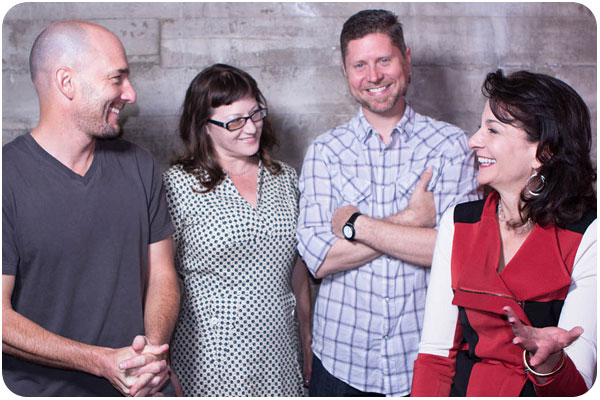
if we look happy, it’s because none of us have bosses! thanks so much to paul dimalanta for the great photos.
with that said, if you have a specific question about something, email me!. in the meantime, here’s a recap of the resources we all talked about:
more efforts to help hamilton wood type museum relocate to their new digs are afoot—this time from neenah paper, asking designers and printers alike to submit their favorite samples and share their love of letterpress with the world.
moreover, neenah is offering a kickstarter-style fundraising effort of their own: you donate to them for beautifully affordable letterpress rewards, and they match your donation to hamilton! donate here!
here’s something that rarely happens: a ride in an empty bus!
it’s been a month! it kinda flew by, but lo, i am dropping my car at the mechanic today. i learned a lot about transitioning to transit this month, and as i found myself planning my day, strategically combining a few lessons i grossly failed at mere weeks ago—all excited about how perfectly it would work out and how i would challenge myself to even walk the last leg rather than ride a bus to my stop—my epiphany became clear: i am hooked on avoiding driving!
but i can totally see how hard it is to make the transition. i’ve gone through periods of more transit and those virtually without, and it takes a different mindset. as timing would have it, our city’s pro-pedestrian ambassador, alissa walker, just wrote this piece for LA magazine, better off ped, with tips for living this way. i love her suggestions for success, but i found myself making far more novice errors, so i thought i’d take it from a much-more-recently behind the wheel stance.
thoughts on adapting to transit
travel light. whether you’re walking, bussing or biking, you’re not going to take a giant shoulder bag with everything you need. you’ll want something that carries your accoutrements [a book or notebook? a water bottle? a snack? anything you’d keep in a purse?] without killing your posture. you might eat out strategically rather than carry a lunch, or switch to a backpack on the days you need to carry extra cargo home. this is true for shoes, too. i got some cute sporty shoes that work well and stand up to a good walk.
get the lay of the land. locate your local bus stops, take note of the busses that stop there and look up the routes on metro.net. you can download pdfs online, or store them in ibooks on your phone. load up your tap card so you don’t have to worry about change. you can download the metro LA app to get info on maps, stops & next arrival times on your phone when you’re out. after your first few trips, you’ll find yourself at new stops with new connections. you’ll learn a lot more about the possibilities as you go.
you’re going to mess it up a few times. it happens, you look up a trip and it seems to work out, but one of many things go wrong, and now you’re late—only you can’t do anything about it. this is a great opportunity to learn about acceptance and the inability to control a situation. the lesson i’ve learned about control is that we often distract ourselves in thinking we’re controlling something that we’re not. like stressing out about being late? call ahead and explain what happened and move on.
plan weeks, not days. when i drive, i do errands all in one day, they are all off a main route and it makes sense to do them all together. it seems that transit is better geared to smaller clusters and more simple destinations, lest you end up on a marathon trip or carrying too much. i have learned to generally arrange the next week in my head, figuring out appointments first, clustering any errands that make sense with them, and deciding what is a priority of what’s left to do. which day will i walk, when should i commit to a transit trip? it will also help you place the more critical time-sensitive trips so you don’t run out of cat prescriptions without rearranging your whole day at the last minute.
understand that some people are going to feel sorry for you. i got a lot of shock and dismay at the idea that my mechanic was booked for a month. it didn’t bother me, but to some, it was an outrage. i also got a lot of insistence at accepting a ride home when it was found out that i took the bus to my destination, in the way you know a person wants to help you but it sounds like they’re suggesting you should never have to do something as lowly as public transit. sometimes it feels weird to have people pity you for something you feel good about. the complicated feedback loops at work here are not about you. you can comfort them that you are okay and the bus is okay and everything is okay.
but some people are going to offer you the much-needed ride home! there were lots of times that i wasn’t exactly going to ask for a ride, but when one comes up that keeps you from waiting around at night for a 3-legged trip, you take it graciously! this might be the ultimate lesson in acceptance, but it also got me wondering how i’m really living without a car while in someone else’s car. i didn’t wonder about this too long though, because a carpool trip is a great time for conversation.
you will become more comfortable all up in everyone’s grill. you will see the best and worst of people. it will be a barrage of fashion, attitudes, fragrant discoveries, conversations, exercises in avoidance, all kinds of hilarious and treacherous first-world urban survival skills will surface. some new shit will come to light, man! you will learn about yourself, and people, and about more acceptance, and it will all be okay. i try not to dwell on this, because it’s mostly not a big deal. then every once in awhile something jarring happens. some guy will not want to stand next to that other guy. someone might want to talk loudly about racism, or jesus, or share their paranoia or ask for money or suggest you are a scoundrel for refusing to loan them your phone. great social upheaval will happen! and then it will resolve itself. nothing jarring happened to me this month at all. everyone was cool. thank you, everyone, for being cool this month.
what’s the cost breakdown of this experiment?
the truth is, unless you completely ditch your car, benefiting from maintenance & insurance savings, if you don’t drive much, you are trading gas expenses for transit fares and conveniences. a week metro pass is $20, and though i don’t quite ride often enough to need one, my week would sometimes max out right at $20 on the tap card. a tank of gas in my car right now runs around $50, and i was doing 1-2 tanks per month. so my gas money would go to mostly transit fare and little snacks i’d buy along the way unless i was a daily commuter who stood to cut high mileage out of my life. however, like many things, the cost tradeoff alone shouldn’t be your only guide. on how many normal days do you just sneak in 2-4 miles on foot? or get to relax and enjoy the scenery? my body just caught up with all the exercise last week and i started to lose weight, so …!
what happens when the car comes home?
keep it up! so, last night when i was planning my day and realizing i wanted to walk part of my trip, the big takeaway is that i am going to keep walking as many trips as i can. i’m also going to keep taking the bus to all the daytime destinations i’ve been doing. the times i’m going to make exceptions are for 1 weekly run to an inconvenient errand of my choice [basically, the ones with heavy cargo] and any inconvenient night events.
drive 1 tank or less of gas per month. when i did my taxes recently, i noticed i was averaging 500 miles per month. my car gets 300 miles per tank of gas, so my first measure is going to be to drive only 1 tank of gas per month. considering how few times i would have used the car if i had the choice this month, i think this is going to be easy. the next discovery will be, exactly how little can i get away with driving below that tank? and how soon before something jarring challenges my comfort zone?
these are the mysteries that await! in the meantime, i got myself a pedometer app and i’m going to start tracking my trips. time to start measuring a different kind of mileage [i just walked 4 miles home from the vet after dropping off my car, cat meds in hand well before we run out this time! thanks myfitnesspal pedometer app!]
alissa has a follow-up to her LA magazine piece on her own blog: awalkerinla.com: better off ped full of resources for making your transition. share any you have here!
are you decorating easter eggs this year? personally i prefer poached eggs and don’t really want to hard-boil so many of them, but there are so many beautiful techniques for decorating with natural dyes and pigments, i thought i’d share the round-up posted on the blogs i follow.
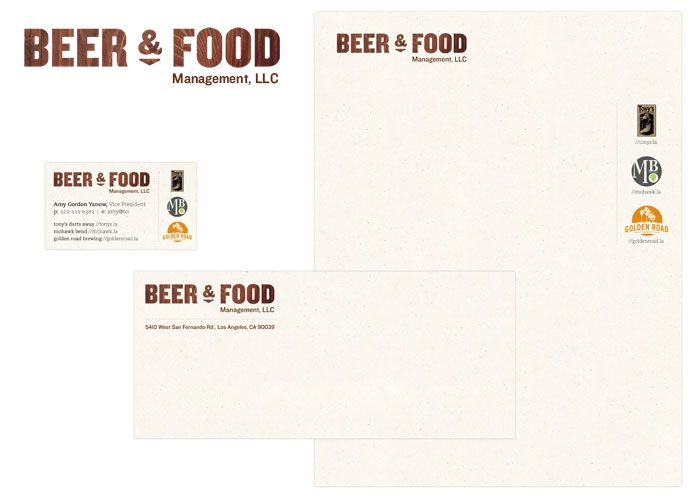
From the owners of Golden Road, Mohawk Bend and Tony’s Darts Away, comes expert hospitality team, Beer & Food Management, providing California-fresh artisanal catering and craft beer services for special events. In keeping with the local, hands-on theme, we’re using Neenah Environment 100% PCW recycled paper, and recalling the beautiful wood finishes found in your favorite public houses.






 parlato design studio