what i learned in my month without a car

here's something that rarely happens: a ride in an empty bus!
here’s something that rarely happens: a ride in an empty bus!

it’s been a month! it kinda flew by, but lo, i am dropping my car at the mechanic today. i learned a lot about transitioning to transit this month, and as i found myself planning my day, strategically combining a few lessons i grossly failed at mere weeks ago—all excited about how perfectly it would work out and how i would challenge myself to even walk the last leg rather than ride a bus to my stop—my epiphany became clear: i am hooked on avoiding driving!

but i can totally see how hard it is to make the transition. i’ve gone through periods of more transit and those virtually without, and it takes a different mindset. as timing would have it, our city’s pro-pedestrian ambassador, alissa walker, just wrote this piece for LA magazine, better off ped, with tips for living this way. i love her suggestions for success, but i found myself making far more novice errors, so i thought i’d take it from a much-more-recently behind the wheel stance.

thoughts on adapting to transit

travel light. whether you’re walking, bussing or biking, you’re not going to take a giant shoulder bag with everything you need. you’ll want something that carries your accoutrements [a book or notebook? a water bottle? a snack? anything you’d keep in a purse?] without killing your posture. you might eat out strategically rather than carry a lunch, or switch to a backpack on the days you need to carry extra cargo home. this is true for shoes, too. i got some cute sporty shoes that work well and stand up to a good walk.

get the lay of the land. locate your local bus stops, take note of the busses that stop there and look up the routes on metro.net. you can download pdfs online, or store them in ibooks on your phone. load up your tap card so you don’t have to worry about change. you can download the metro LA app to get info on maps, stops & next arrival times on your phone when you’re out. after your first few trips, you’ll find yourself at new stops with new connections. you’ll learn a lot more about the possibilities as you go.

you’re going to mess it up a few times. it happens, you look up a trip and it seems to work out, but one of many things go wrong, and now you’re late—only you can’t do anything about it. this is a great opportunity to learn about acceptance and the inability to control a situation. the lesson i’ve learned about control is that we often distract ourselves in thinking we’re controlling something that we’re not. like stressing out about being late? call ahead and explain what happened and move on.

plan weeks, not days. when i drive, i do errands all in one day, they are all off a main route and it makes sense to do them all together. it seems that transit is better geared to smaller clusters and more simple destinations, lest you end up on a marathon trip or carrying too much. i have learned to generally arrange the next week in my head, figuring out appointments first, clustering any errands that make sense with them, and deciding what is a priority of what’s left to do. which day will i walk, when should i commit to a transit trip? it will also help you place the more critical time-sensitive trips so you don’t run out of cat prescriptions without rearranging your whole day at the last minute.

understand that some people are going to feel sorry for you. i got a lot of shock and dismay at the idea that my mechanic was booked for a month. it didn’t bother me, but to some, it was an outrage. i also got a lot of insistence at accepting a ride home when it was found out that i took the bus to my destination, in the way you know a person wants to help you but it sounds like they’re suggesting you should never have to do something as lowly as public transit. sometimes it feels weird to have people pity you for something you feel good about. the complicated feedback loops at work here are not about you. you can comfort them that you are okay and the bus is okay and everything is okay.

but some people are going to offer you the much-needed ride home! there were lots of times that i wasn’t exactly going to ask for a ride, but when one comes up that keeps you from waiting around at night for a 3-legged trip, you take it graciously! this might be the ultimate lesson in acceptance, but it also got me wondering how i’m really living without a car while in someone else’s car. i didn’t wonder about this too long though, because a carpool trip is a great time for conversation.

you will become more comfortable all up in everyone’s grill. you will see the best and worst of people. it will be a barrage of fashion, attitudes, fragrant discoveries, conversations, exercises in avoidance, all kinds of hilarious and treacherous first-world urban survival skills will surface. some new shit will come to light, man! you will learn about yourself, and people, and about more acceptance, and it will all be okay. i try not to dwell on this, because it’s mostly not a big deal. then every once in awhile something jarring happens. some guy will not want to stand next to that other guy. someone might want to talk loudly about racism, or jesus, or share their paranoia or ask for money or suggest you are a scoundrel for refusing to loan them your phone. great social upheaval will happen! and then it will resolve itself. nothing jarring happened to me this month at all. everyone was cool. thank you, everyone, for being cool this month.

what’s the cost breakdown of this experiment?

the truth is, unless you completely ditch your car, benefiting from maintenance & insurance savings, if you don’t drive much, you are trading gas expenses for transit fares and conveniences. a week metro pass is $20, and though i don’t quite ride often enough to need one, my week would sometimes max out right at $20 on the tap card. a tank of gas in my car right now runs around $50, and i was doing 1-2 tanks per month. so my gas money would go to mostly transit fare and little snacks i’d buy along the way unless i was a daily commuter who stood to cut high mileage out of my life. however, like many things, the cost tradeoff alone shouldn’t be your only guide. on how many normal days do you just sneak in 2-4 miles on foot? or get to relax and enjoy the scenery? my body just caught up with all the exercise last week and i started to lose weight, so …!

what happens when the car comes home?

keep it up! so, last night when i was planning my day and realizing i wanted to walk part of my trip, the big takeaway is that i am going to keep walking as many trips as i can. i’m also going to keep taking the bus to all the daytime destinations i’ve been doing. the times i’m going to make exceptions are for 1 weekly run to an inconvenient errand of my choice [basically, the ones with heavy cargo] and any inconvenient night events.

drive 1 tank or less of gas per month. when i did my taxes recently, i noticed i was averaging 500 miles per month. my car gets 300 miles per tank of gas, so my first measure is going to be to drive only 1 tank of gas per month. considering how few times i would have used the car if i had the choice this month, i think this is going to be easy. the next discovery will be, exactly how little can i get away with driving below that tank? and how soon before something jarring challenges my comfort zone?

these are the mysteries that await! in the meantime, i got myself a pedometer app and i’m going to start tracking my trips. time to start measuring a different kind of mileage [i just walked 4 miles home from the vet after dropping off my car, cat meds in hand well before we run out this time! thanks myfitnesspal pedometer app!]

alissa has a follow-up to her LA magazine piece on her own blog: awalkerinla.com: better off ped full of resources for making your transition. share any you have here!
recent work: beer & food

B&F_ID

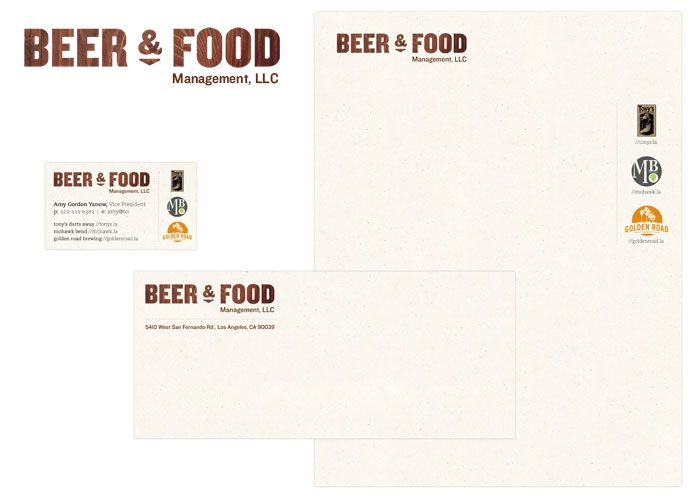
From the owners of Golden Road, Mohawk Bend and Tony’s Darts Away, comes expert hospitality team, Beer & Food Management, providing California-fresh artisanal catering and craft beer services for special events. In keeping with the local, hands-on theme, we’re using Neenah Environment 100% PCW recycled paper, and recalling the beautiful wood finishes found in your favorite public houses.

See more for the Mohawk Bend family of pubs here.

community woodshop

samples1

thanks to my fantastic design network, i found out about community woodshop in the keystone arts spaces in glassell park just a few months after they opened. community woodshop is both a workspace and a learning space for people who want to learn about and work on various techniques in wood working, but maybe don’t own or have space for all the equipment. after taking the required safety class, you can join various levels of membership to work in the shop, or take classes. since i’m a beginner, i opted to start with the cutting board class.

samples2

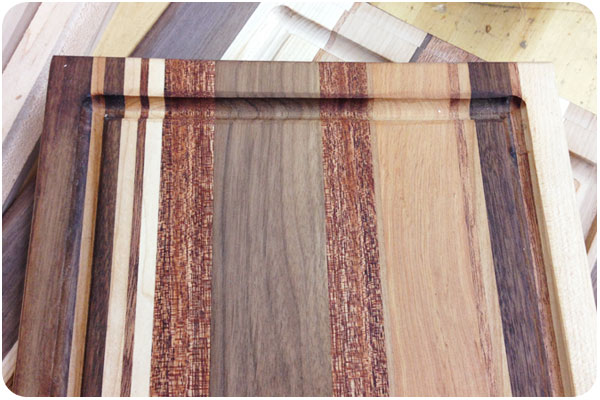
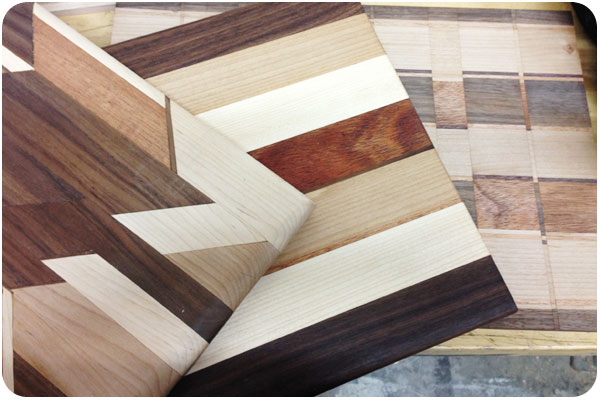
we were given all the samples in the above photos for inspiration of what we could create, though we were discouraged from cutting too many angles, since it would complicate the gluing process for those of us with less experience. we could do straight cuts, cross & flip, round corners, cut handles, or route a trench. cool!

planer-joiner

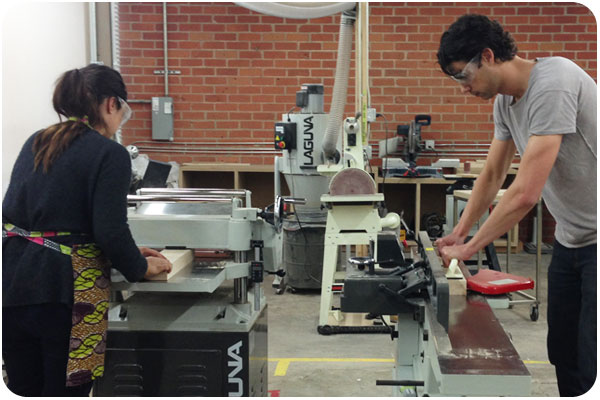
we were provided with maple, alder, walnut and mahogany pieces, squared on 2 sides. to get a feel for the process, we were told to smooth the other sides. here are 2 students using the planer and joiner to get perfectly-smooth starting pieces.

tablesaw

our teacher, bob, reminds us of all the safety precautions of the table saw. there are many. when cutting with wood grain, the wood goes through the blade effortlessly, but going against grain can be a much more tricky cut. we cut all our on-grain 1″ pieces, and bob cut all our against-grain requests for us. then we went to worktables to arrange our pieces and design our boards.

glue

gluing is the fun part. you get big clamps and glue paper and turn all your pieces on their sides, run the glue down the center, and stick them one by one to their neighbor. then tighten the clamps and watch the glue squeeze out the seams.

clamping

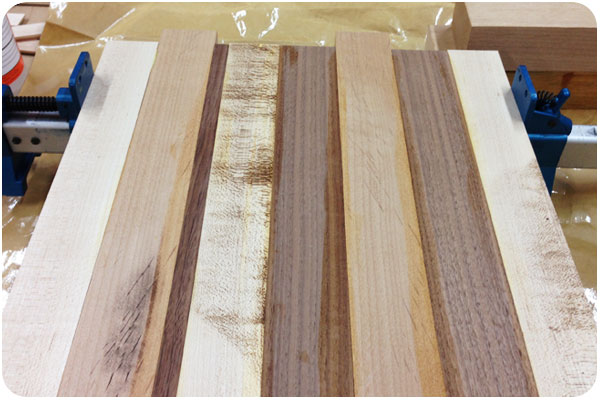
finally, we let the glue set and cleaned it from the surface. my board looks oddly plain here. the table saw burned the maple wood as it cut, which is normal since it is a very hard wood, but leaves it looking dirty. all of that will be sanded away though, it will oil up nicely and all the grain details will show through. i’ve heard we use some sort of beeswax to do this. we’ll find out in next week’s class when the beauty of our projects are revealed!

friday fun

Husbands – “Dream” from Cauboyz on Vimeo.

this is a great type-only video, and i love the reveal at the end that it’s not just some digital animation. very cute.

how to choose the right designer for your business

in an effort help more people understand how to get the most out of design services, i offer these helpful primers to demystify the process of hiring a graphic designer and getting prepared for your next project. if you find yourself here with a head full of questions, 2 other pieces to read are how to prepare a for a design project which will give you the tools to narrow your design objectives into a creative brief, and process & design project timeline which is a rough outline of all the phases of production i use with my clients.

follow these steps to find the right designer for your business

it’s a bit of a toss-up between whether style or industry is the more important place to start. obviously, some businesses will be more concerned with insider sensitivity, while others will want a designer whose style clicks with their creative direction. in my opinion, both of these factors should be weighted equally, and let some of the subsequent factors help tip the scales in your top choices:

industry focus

if you’re in a niche that has a lot of specifics attached to it, or want someone who understands the history of your industry so they can help consult on key ways to differentiate you from your competition, look into creative professionals that specialize in your slice of the market. i am a strong proponent of getting referrals, either from colleagues or trade organizations, where you can search on specifics and see linked portfolios of work samples. you can also do research on who your competitors are hiring by looking at their web sites for a design credit and following that link to the firm’s portfolio. to get a feel for the breadth of options, add “design” to any of the keywords for your industry and see who’s doing what all around the world. once you get a sense of who is doing it well, you’ll be ready to look for…

individual style

every designer worth his or her salt will have an individual style that is evident in their work. whether you search online, get referrals from colleagues, or go to a trade association, go straight to the portfolio and look at all their work. do the pieces in their portfolios show clever design solutions that work well in your opinion? if their work resonates with you, can you also see your clients & target market receiving it positively as well? the key here is that you are hiring a visual translator. every designer sees a unique “best avenue” for translating your message, so the major consideration in individual style is to see what this particular designer has done with the information in each piece to appeal effectively to the viewer.

customer service & transparency

once you’ve narrowed it down to excellent talent and experience, take some time to notice how each firm’s site introduces themselves, how much information do they put forward about how they work and what they value? how much of a sense do you get about what they’d be like to work with? it’s smart to be a bit wary of any firm that seems vague about what you’ll be getting. the best of us realize that you have your own businesses to run and perhaps aren’t familiar with the design process or don’t know what to expect or how to get started, and we do our best to anticipate your questions and answer them. it’s the beginning of a relationship and we’re all looking for compatibility. if you’re feeling good about a designer’s approach, take the next step and…

ask questions!

we are service providers, and the best we can do is educate people whenever they are curious. designers that follow best practices will be able to provide you with a clear explanation of what you can expect from working with them. if you have the parameters of your project outlined, [use this system to prepare a creative brief] you can ask for a project proposal, which will give you a good idea of the costs involved as well as the production timeline.

plan ahead

or rather, plan ahead to plan ahead. we do understand that sometimes you’re looking for a designer because of a looming rush deadline, but in ideal circumstances, you won’t want to make these decisions in a day. you’ll also run the risk of not getting a slot with your designer of choice, because they’ll already be booked out. the best marketing efforts take careful planning and projection far before they are put into action. if you’re in business, you’ll eventually need marketing materials, so look for someone you want to work with early on—long before you’re ready to start a project. this will give you a chance to meet them, see their work, have lunch, meet up at a mixer, read their blog, and google their online presence so you get to know them and how they work for the most critical ingredient in the mix: peace of mind that you’re working with someone who is right for you.

if you think that person might be me, let’s talk!

how to prepare for your next design project

when you’re not in the business of graphic design, it can be hard to know the best order of operations in getting a project started. what i often end up doing for clients who need a little strategy clarification is summed up in this article so anyone can follow it, consider all the preliminary factors, and end up with a great starting point to bring to any project initiation. while it’s not a final blueprint, having these questions answered before you start makes it easy for both parties to deliver on the same goal.

use these guidelines to prepare your next project and write a general creative brief

define the goal of communication for the project

before you decide on the format of the communication, it’s good to think about the general messaging going into it. what are you trying to tell your market? in the best-case scenario, what do you want them to do in reaction to this piece? a good place to start is to write out a company description and include any mission statement or boilerplate for reference, then indicate what the immediate goal is and how this project will work toward it.

define the audience

this is where you define all the types of people the project should speak to, and describe for your designer their typical lifestyle choices, interests, and availability to similar services. the purpose of this information is to inform your designer on how to communicate with your audience while differentiating you from your competition. if you can, provide sample profiles of typical individuals who would use your products or services. some questions to answer here are: what should the target market think, feel or do in reaction to this piece?

keep consistent with your brand objectives

if you have a brand brief or style guide in place, you will want to use it as a guideline for every project so as to stay on message. if not, the first step is to collect as much of your previous collateral as possible and bring it to your designer for reference. whether you are sticking with an ongoing messaging plan or trying to break from the past, the over-arching narrative of your business should inform all your marketing efforts. submitting these materials to your designer will allow them to work within the context you’ve created, or create context for you if need be.

define your budget

budgeting for a project can be tricky when you’re working with an industry with as wide a fee range as graphic design. there are all levels of firms out there, and as with anything, you generally get what you pay for if price point is your first concern. be realistic about what the value of the project is to you, and what you expect it to do for you. do research with the design firms you’re interested in and ask for a range of what similar projects have cost in the past. be honest about what you can afford, and be open to advice on what can be done within your budget, or perhaps what can be done if you put the project off for now and save a bit more for a bigger impact down the road. an experienced designer will be able to scale a project to fit your budget, so you may not get all the bells and whistles you originally dreamed of, but you can get the materials you need from the designer you want to work with, at a price you can afford.

define your deliverables

some clients have logos, taglines, photography, illustrations, charts & graphs or copy that will be used in creating the final piece, and some will be looking to have any applicable elements created specifically for the project. if you have a set of non-negotiables, make your designer aware of them from the beginning. bring any style guide you have in place that specifies how these materials are to be used, if applicable.

define success

similar to defining your goals, you’ll want to put together some measurable success markers so you can track what your marketing efforts are doing for you. be realistic here, every piece is not going to convert to new business, but if you have a percentage return of new interest in mind, desire noticeable positive feedback from existing clients, or if you would like to break ground in a specific way with a new market, these are things to list from the outset and track as your efforts are put into action.

the designer you choose to work with will ask many more detailed questions to draft a creative brief that will address the your project-specific goal. in the meantime, clarifying these thoughts will allow you to communicate your needs more clearly, and will take a lot of the guesswork out of the discovery interview. if you’re not currently working with a designer and need some help in choosing one, some good starting advice can be found in how to choose the right designer.

if you’ve got everything ready to go, let’s get started!

sewing projects

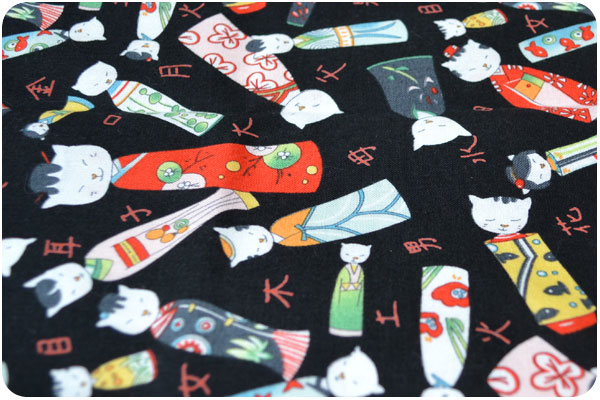
i’ve been doing a lot of sewing lately and wanted to post a few things. not because the sewing is particularly great, but because fabric and pattern design has become so inspiring now that i’m looking at it all the time. recently i made a few sets of pillowcases, because so many fabrics remind me of the crazy sheets we had as kids in the 70s. that, and we don’t have even one complete set of sheets, everything is mismatched in our house, so i thought i’d compound that problem by adding to it. but i mean, look at these cute little geisha cats! and they’re all sleeping!

sewing pillowcases is really easy, and you get to buy fabrics that are way more crazy than you’d wear. wearing a print like this definitely makes me feel like a crazy cat lady. it’s the absolute furthest i’m willing to go in terms of wearing cat things. so all i did was make a kimono-style top out of it and solid black. that’s it! i’m making more clothes too, but i have to figure out how & where to photograph them.

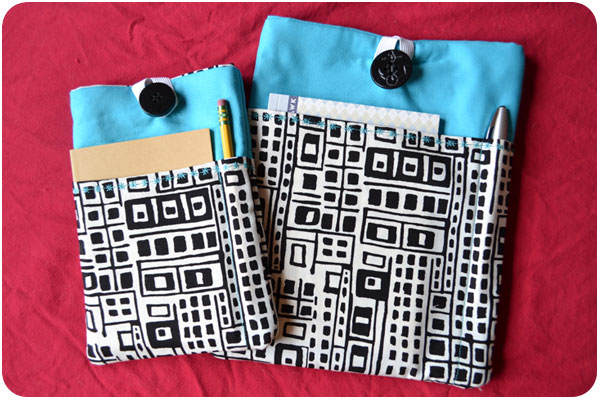
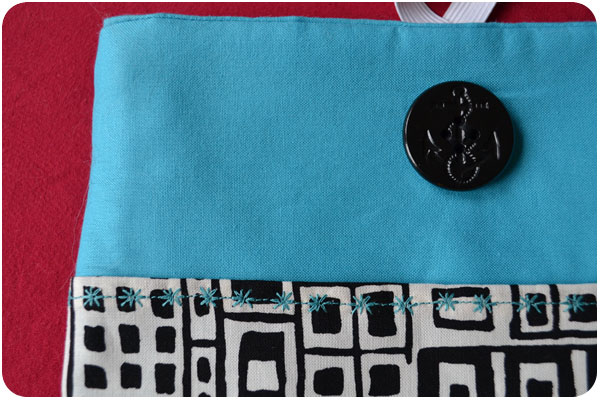
i found this pattern for a kindle slipcase online and thought it was so nice with the contrasting fabric and divided pocket. turns out it’s really easy to make and requires very little fabric. i made my parents slipcases for each of their devices for the holidays, an ipad case and a nook case. my machine has a ton of embroidery stitches, so i tried out a contrasting thread and made a star pattern to close the hems. making things like this is really fun & rewarding. and with all the extra fabric from garment sewing, it’s starting to look like i’ll have to take up quilting. hmmmm!

creative inspiration

i found some really nice, affordable typefaces in my research this week, and thought i’d share my favorites.

vulpa

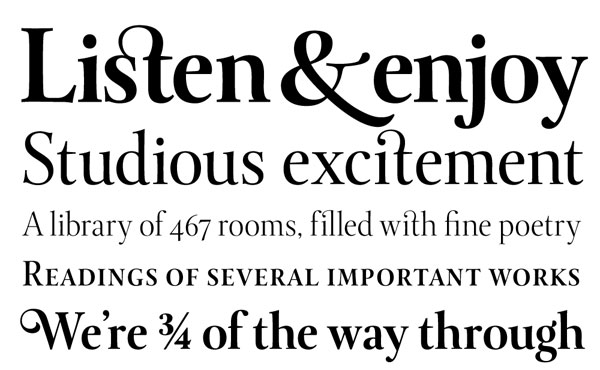
this typeface is certainly named accurately, a rounded & voluptuous take on a classic serif that remains highly readable. buy it here.


levato

as the name would suggest, this is more of a renaissance serif, full of details and flourish. the letterforms manage to remain spacious at smaller sizes and thinner weights. check it out in more detail here.


moonshiner

this is a free font in 2 styles of caps: one with more angular crossbars and slants, the other a bit more straightened out. with all the vintage goodness popular in design today, this typeface could certainly add nice detail. download it here.


st. agnes

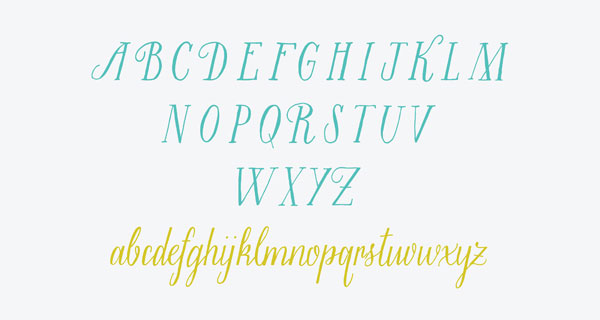
i like this, because i can’t quite do it. and because most handwritten fonts mimic a more conventional, casual hand, while this one is more illustrative and cursive. available here.

recent work: small farm fresh

I recently started working with a project I deeply believe in! Small Farm Fresh is the startup of a good friend, who created a site where local farmers could sign on to list all their seasonal produce, and chefs from local restaurants could shop for ingredients they need and have it delivered quickly through any of the local daily farmer’s markets. When i say local, this is currently an LA-area project, and for now it’s in beta. Similarly, for the moment, the identity is just a logo, but it’s taking off quickly and we’re planning to grow the brand as the business expands. There are a lot of great plans in the works, i’m so proud to be a part of it!

See more of our work here.