creative inspiration

identity

landfit logo
[image: designedbygoodpeople.com]
this logo for a gardening matchmaking service is really appealing to those of us who love gardening. and i love the concept, a service that pairs people who want to garden but have no land with those who have land & want a garden, but don’t want to do it. brilliant!

publications

ferocious quarterly
[image: ferocious quarterly]
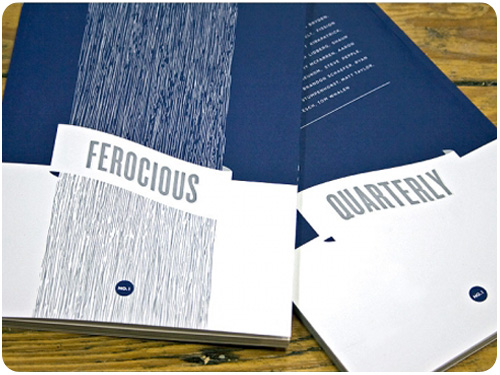
announcements of a new publication, ferocious quarterly, have been posted in a few design communities. from their site: Ferocious is a curated, quarterly publication that collects illustrators, graphic artists, short fiction authors and written text. indeed! thanks how magazine for the link.

parse is a new blog project from how magazine, aiming to make sense of issues and information relevant to design practitioners. check it out!

this just in from the design review of books, a review of jost hochuli, detail in typography.

design industry

take a spin through the annals of design history: graphic design through the decades series: the 70s, from inspiredology.com

if you’re a creative professional in need of some marketing mentoring, ilise benun’s marketing groups are about to kick off for fall. join the track that’s right for you and get one-on-one help from a creative industry marketing pro: marketing mentor’s advanced marketing groups.

another great installment from design*sponge: biz ladies: using a blog to grow your business.

culture

some interesting looks at labor day, what it’s not currently, and what it could be. labor day is almost meaningless now. we can change that, by steve mccallion for fastcodesign.com: With an increasing belief that socioeconomic mobility is now less possible in the US than in other countries, Labor Day has the potential to reclaim some of its initial promise — a celebration of American labor and an inspiration to the American worker.

another look includes what ever happened to labor, by seth godin: In a world where labor does exactly what it’s told to do, it will be devalued. Obedience is easily replaced, and thus one worker is as good as another. And devalued labor will be replaced by machines or cheaper alternatives. We say we want insightful and brilliant teachers, but then we insist they do their labor precisely according to a manual invented by a committee…

biznik article of the week

how saving money on branding can cost you by Maria Ross

another great piece on branding and why it’s so important to put together a strategy from the beginning. ross summarizes it best herself here:

Hiring unqualified people or designers who don’t ask you anything about your value proposition, differentiators, or target audience is not the way to save money. I talk to many people that threw away money because their brand strategy was not baked yet. Good design is a skill: it’s a skill that involves taking a message and communicating it visually, not just creating a pretty picture. You will lose more in lost sales by getting this part wrong than you will save on cutting corners.

And guess what? That brand strategy will do more than just inform your visual identity. It will serve as a compass for other marketing investments: partners, advertising, events. Basically any decision your company makes will be a smarter one if you start with the brand strategy first and use it as a compass. This helps you avoid throwing away money on what I call “random acts of marketing” and ensures that you only invest in activities that move your business forward.

creative inspiration

brand development

brand building
[image: fastcodesign.com]
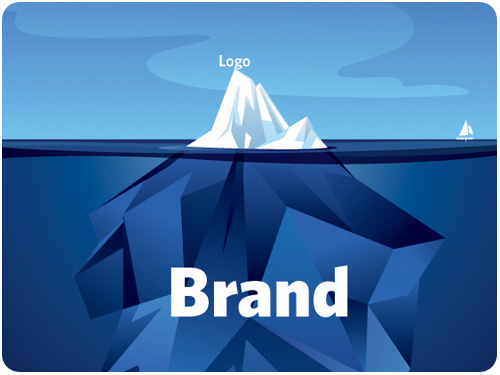
apparently, the idea that when a client asks for a logo, what they probably really need is a brand strategy is gaining ground. if this is you or someone you know, get familiar with what goes into brand development with six tips for designing a memorable brand from fastcodesign.com.

once you work out the brand strategy, you’ll want to create a style guide so you can keep everyone developing artifacts for your business on point. to get a good idea of what goes into a style guide, check out designing style guidelines for brands and web sites from smashingmagazine.com

logos

indian rupee symbol selected
[image: logodesignlove.com]
more than a logo, a currency denotation is an international symbol that comes to be synonymous with a country and its people’s well being. the indian rupee underwent a redesign [via, of all things, a design contest] and a final has been chosen. i like the shape of it, almost futura-istic. read more here: indian rupee symbol selected, from logodesignlove.com.

typography

interview with rudy vanderlans
[image: fastcodesign.com]
i have been an emigre fan for my entire design career. it was just yesterday that one of many awesome creations of rudy vanderlans [brothers typeface] rescued yet another in a line of countless layouts for me. join alissa walker in her interview with this amazing type design icon and his new showcase for his typefaces, historia: type master: an interview with emigre’s rudy vanderlans, from fastcodesign.com

design industry

recycled vintage couture by koi suwannagate
[image: greenlagirl.com]
i wasn’t able to make it to the pasadena museum of california arts biennial this past saturday, but you can take a spin through the greenest features here: discover green design at pasadena museum of california arts biennial, from greenlagirl.com.

we talked about it last week, we’ll talk about it this week: print cant be dead if people are still starting up new magazines, especially in these new niche markets for printed rag fetishists. steven heller profiles vintage magazine for print here: print ain’t dead yet, continued.

three for the marketing department. first of all, drop the “us vs. them” mentality, marketing and design do their best when they work together: the creative vs. the marketing team: yin and yang, oil and water, from smashingmagazine.com. then, take 2 marketing-smart tips from ilise benun: does your email say “open me?” and keywords made simple, both from marketingmixblog.com.

5 things you can do to build your business this summer

5 things you can do to build your business this summer

if you’re in an industry that experiences a slower summer season, it’s a great time to invest in your business so it’s extra-fresh for the next time you get busy. if you’re not sure where to start, here are 5 ideas to build on.

rethink your services
we all concentrate on our areas of specialty, but have you thought about related activities and services you could be offering that wouldn’t shift your focus too far? maybe you’ve been offering a couple services that would make sense to package and target a different sector of the market. perhaps you’re getting a lot of questions on similar subjects and an introductory consulting service makes sense. better yet, give your clients and prospects a little taste of your expertise and personality in a white paper or e-book. if you’re spending some of your extra time on education or professional development, maybe you’re able to branch out and offer a new product or service you hadn’t considered developing yet.

brainstorm: write out a list of all the services you currently offer. think about each one, and try to write one related service you’d like to add, or that could be included by someone who has the same expertise. google some of your favorites—what appears with these products and services that you hadn’t considered before? if you’re up to the task, consider adding the most viable to your repertoire. if you can’t incorporate it now, take a few days to see if one of your ideas appeals to you as a future goal to shoot for.

refresh your site content
building your web site is often the biggest project we work on in self-promotion, and once it’s done, it’s really easy to set it aside and let it do its work undisturbed. we may not be looking at it every day, but possible clients and customers are, and when they have new & interesting things to look at, they stay longer and engage more. additionally, search engines are regularly indexing sites on the web, but if it finds yours and you haven’t updated in awhile, they’ll pass you over for sites with more frequent content changes. you may want to consider an online editorial calendar, so you have a framework for adding new content regularly in different areas of your site [this can work in conjunction with social media, where you tell people about your new content and ask them to take a look].

brainstorm: chart out all the pages on your site and list what content is on each page. read through the content you have currently and see if it’s still 100% relevant or could use some improvement. decide on areas that just need a refresh once for the year, and other pages that could possibly have revolving content, such as announcements, new offers, or archived newsletters you’re sending monthly. if you can’t find current pages for revolving content, think of what you might add that is updated elsewhere, like a twitter stream or facebook business page. then chart out a rough calendar by month and see if you can commit to a schedule of regular updates, whether they’re quarterly or daily.

reconnect with your network
remember the last time someone caught you with a surprise phone call or a nice card just to say hi or catch up? it’s always a good feeling when friends and colleagues reach out, so why not be that person this time around? figure out your preferred method of contact and then do it up proper! if you like calling people, start with your favorite clients and vendors and call to say hello! if you’re more of an email person, write some thoughtful words personalized to the people in your network. as an alternative, you can use your newsletter service to send a graphic email to a larger list. if you prefer cards that arrive by post, pick up a set that appeals to the message you want to convey [or consider having some designed—just sayin!], get out your favorite pen, and author some nice notes. work your way out from your inner circle to those you speak to less frequently. get social media involved for the people you connect with online.

brainstorm: sometimes reaching out takes several forms of delivery. in fact, maybe it’s time to update your contact database with some of those cards you’ve picked up in your travels that are piled on your desk. you can use contact management software to note which mode of contact different friends prefer, and split them up by how you might contact them. then, get creative and make it happen!

revisit your brand touchpoints
you can get some great help identifying and brainstorming on all the possibilities for brand touchpoints here. once you have a solid list, take some time with each one, ask yourself if they’re reaching your clients and prospects in the way you want them to. maybe you’ve been working with some new niches or personalities that interact with different items or information sources. evaluate which efforts you want to stick with and which are ready for hiatus. take notes when you’re out and about, what catches your eye, how have other businesses decided to interact with you in ways you thought was clever or well-placed? are you missing some cool twist in the lifestyles of the people you work with?

brainstorm: list out the brand touchpoints you’re currently using, then write as many possibilities for interaction you can think of next to each one. do these modes of interaction give you any ideas on similar items or resources you could use in the future? have you asked clients how they’ve found you or do they report on anything you’ve been doing that got their attention? is it time to start asking those questions to settle any doubts about your efforts?

reward yourself for a job well done
every time you spend time improving your business services and communications, you’re investing in yourself, so set some of this summer fun time aside to celebrate with a reward. we all work better and smarter when there is balance in our lives. give yourself that afternoon hike, take a night of overtime off, get yourself or your business a gift, or take yourself out for ice cream or soda.

brainstorm: aside from the pure rewards for a job well done, find ways to infuse fun into your business. can you go analog for the day and review paperwork or resource material at the park or the beach? do it! are there wifi hotspots or cafes with free wireless where you can go mobile for a change of scenery? try it out!

me? i take breaks for walks, bike rides, or a run on different days, but my new goal is to find a public pool i like and jump in a few times per week. and i’m a big believer in homemade fruit pops on hot days. nothing like an icy blended fruit pop!

creative inspiration

design history

see america vintage u.s. parks posters
[image: travel.nationalgeographic.com]

this collection from the archives of national geographic of vintage US parks posters are stunning and inspirational specimens of illustration and design. don’t forget to take a spin through the vintage national parks photos while you’re there. thanks boingboing for the link!

vintage mens adventure magazines
[image: artofmanliness.com]
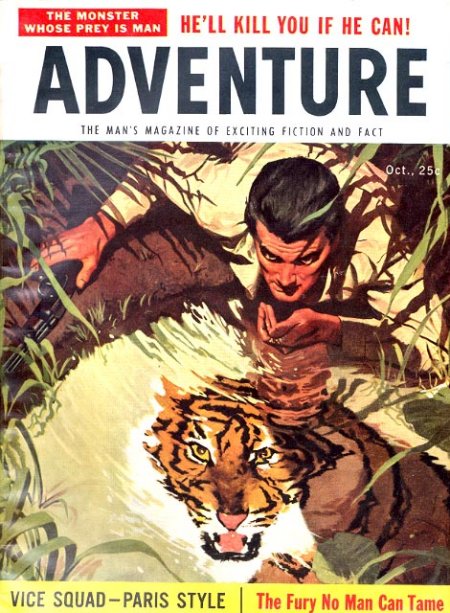
refresh your beverage and get comfortable, this collection of vintage mens adventure magazines from art of manliness is entirely too awesome to pass up or rush through. i might have to buy the book.

another one from the history blogs, <a href="smashing magazine presents 100 years of propaganda: the good, the bad, and the ugly

design industry

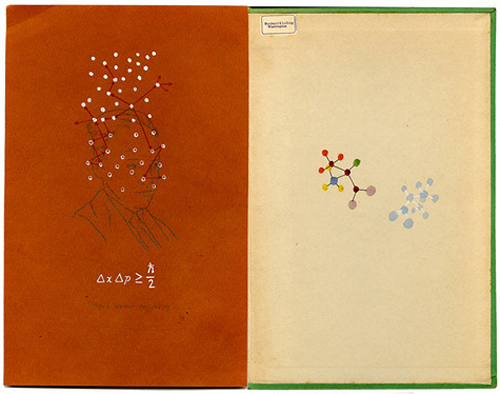
werner heisenberg by shannon may
[image: shannon may]
i love art and i love science, so when they come together in exciting ways, it makes me super happy. design sponge shared these awesome illustrations by shannon may this week, and i am loving her web site. even her logo has a cute illustrated diagram worked in. fantastic!

how magazine has some great follow-up blog posts now that the how conference is over. and we’re back is a nice first look at what went down. more how conference love has a little more collected from around the web, some speaker presentations and such.

looking into a summer internship? how magazine has a great article on getting the most out of it: advice for prospective interns. for another perspective on interns, design sponge biz ladies column features hiring interns this week.

need resources to save time and be efficient in your workday? freelance switch offers this collection of cool things you might need: top 3 productivity articles from workawesome.

have a facebook page for your business? not sure what you can add easily that will enhance your presence there? my colleagues over at pi design have some suggestions: jazz up your company facebook page.

education

GOOD's guide to education innovation
[image: meg paradise]
run over to GOOD’s guide to education and check out all their amazing programs, illustrated with these playful & fun pieces by meg paradise of parliament of owls. look at all their portfolios while you’re there, they all do amazing work.

sports

if you can’t get enough of the world cup, take a look at what designey things are happening at tinyhaus and their piece for nike!

HOW conference 2010, day 1

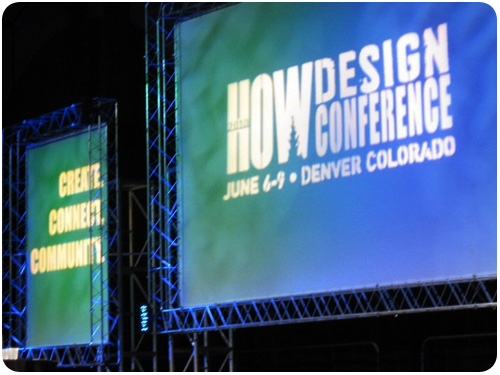
how conference 2010 backdrop
[photo: ©larsonmirek on flickr]

from one conference to another, we jumped right into the HOW conference on monday morning. my conference buddy, beth goldfarb, and i had matching agendas for today, so we got our breakfasts and jumped in.

design and social responsibility

david berman gave a really inspiring presentation on how design can change the world if we start asking what can we do with design, where will we have the greatest impact? he showed several examples of design solutions to seemingly non-design problems where a strategic system + clear information becomes a network for people in need and changes lives. examples: mpedigree.org, innocentive.com and kiva.org. if we had the innovation that created facebook dedicated to good causes, we could change the world. indeed! berman also talked about some of the failures of bad design and how it’s altered the course of history: the palm beach ballot fiasco, how traffic lights could be redesigned for the color blind and how colalife.org is using the space between soda bottles to ship essentials to third world countries. i have seen this theme since the beginning of my involvement in aiga, and am glad to see people are still talking about it, because the movement toward better practices has been a slow one. we helped create consumerism, so we can help move away from it. berman challenged the audience to dedicate 5 hours of their work week to design for worthwhile causes. hopefully those who were moved by this will find a way to make it happen.

a perfect marriage: great design and killer copy

the most effective design i see appeals to me because of how the design and copy interact cleverly, so i was sold on attending this presentation by erin anderson of braintraffic.com. she opened with a common scenario we’ve seen too often: where design of a site and content for it have been developed separately and then pieced together as 11th hour content, which is always less effective than a site that has been developed with design & content hand in hand. web users read 20-28% of the words presented on a web page. don’t fight this fact, plan for it. think about your target audience, their lifestyles and how they interact with information. prioritize content by what you want users to do when they visit, and don’t bury these items with less relevant content. plan content so users see themselves in it. don’t forget about mobile users, low visibility & literacy users, and international users, who may be using a different interface, or may not be able to read the content you’re presenting. in short, for the best outcome, involve your writer early, have them come to all the meetings, involve them in brand objectives and create an editorial style guide so all future content stays on message and within style guidelines. plan an editorial calendar for refreshed content at regular intervals, and do periodic content audits to make sure everything on the site is still relevant. she also gave a run down of best practices writing tips to keep in mind when creating your own content.

how to sell your ideas to bosses, clients, and other decision makers

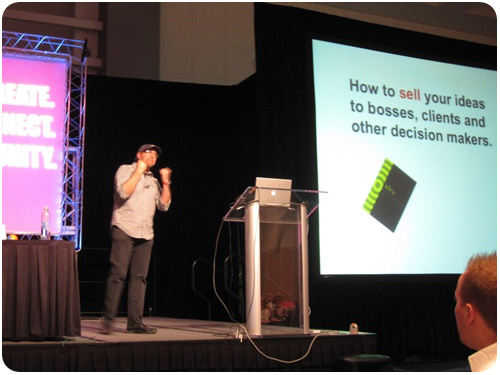
sam harrisson at the how design conference
[photo: ©larsonmirek on flickr]

sam harrison presented how to sell ideas, kicking it off with a funny selection of negative client feedback. often our reaction is to think ‘they just don’t get it’ but this is a dangerous victim mentality. i liked how harrison isolated every aspect of a selling situation and gave examples of best cases and how plan for them. involve clients from the beginning so they are invested in the concept long before the final pitch. know your buyers and how close to buying they are in the spectrum between awareness and action. ask open-ended, simple, and follow up questions, and always add what else should i have asked you? and listen to what might be the most important thing they tell you. every presentation is a performance. they have certain expectations of you, and it’s on you to rise to them. be the best possible version of yourself when you present. get to know the room, practice your delivery, ask for a stress-free time in your client’s schedule, and don’t distract them with hand-outs. then harrison gave his 5 secrets for putting together a good presentation: have 1 theme, open with a strong start using a story, question, fact or quote, use simple language with memorable quotes peppered in, be visual with your words, and add drama using a prop or visual demonstration that makes your point. go in passionately and the client will pick it up. give your ideas the energy they deserve!

make stuff

mike perry presented on his extensive work outside the strictly commercial, showing illustrations, collaborations, zines and sculptures. his approach to work has turned more into taking commercial work in order to fund an art career where he can explore his own themes and ideas. his work is hard to describe, but take a spin through his site and watch some of the video tours and you’ll get the idea.

folded inspiration

kit hinrichs and trish witkowski showed folding techniques from the conventional to the totally awesome, presented by sappi paper. hinrichs showed a selection of his own work, and then witkowski talked about how she got interested in folding, which led her to get a ph.d on the subject. she also presented all kinds of complicated folds—all with the kind suggestion to please talk to your printer and binder through the entire process to insure success. these were really awesome ideas in the area of paper technology, and the presentation came with a book full of diagrams and samples. total paper fetish love!

since this was the only night without a party scheduled, i took it off & went home after dinner. saving my energy for the next 2 days!

[continue with day 2 of the HOW conference here]

creative freelancer conference 2010, day 2

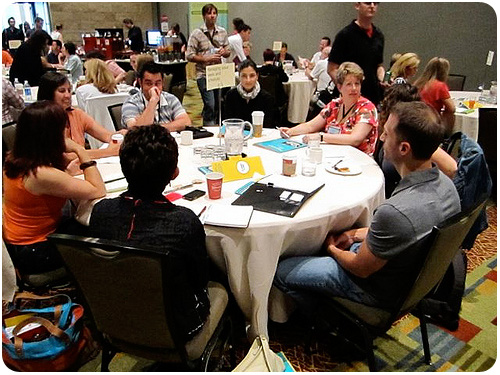
breakfast roundtables at the creative freelancer conference 2010 in denver, colorado
[photo: dyana valentine]

[recap day 1 of the creative freelancer conference here]

the 2nd day of the 2010 creative freelancer conference was a whirlwind of activity. i was dead-set on getting to peleg top’s roundtable breakfast for my peleg pep talk on client relationships, which i have been needing for months now!

how to make clients love you

peleg top is an outstanding business coach for creatives. i’ve taken a few of his workshops before, and always leave feeling empowered by his advice and perspective on approach to client relationships. in this breakfast he started by asking us to think about who we are ideal clients for and why we give loyal repeat business to our favorite companies. we settled on the fact that ultimately it’s how our favorite service providers make us feel after working with them or buying from them, we sell experience as much as we sell our actual services. if you can give clients a service that make them feel relief, confidence and empowerment, they will become loyal patrons of your services.

we looked at apple as an example, since we are all loyal patrons, and agreed on things that make us feel good about buying their products. they serve us well, because we are their target market, they think about our lifestyles and design for solving our problems. they deliver quality, and it’s not cheap, but we pay for it because we know it’s a better product that improves our quality of life. research your clients and their lifestyles, ask them what they need in their professional lives, involve yourself in their industries so you can understand how to solve their problems and help improve their experiences.

it’s your money, so take it personally

galia gichon gave a great talk on getting organized and proactive about your business finances. i am typically pretty organized, but she had some great advice that reminded me of some areas where i could improve. overall, i liked her style of advice, which was to stop avoiding it, stop thinking you can’t do anything just because you don’t have all the money you want right now. start small, organize, analyze your own finances, consolidate loans and investments, and plan one day a week where you check in and make adjustments. ask yourself where you’d like to be in 3 months, a nice, short window to work with, and give yourself a dollar-oriented goal. finally, connect with what you’re good at, and give yourself a positive affirmation about your money habits to feel good about.

freelancer’s legal basics: contracts & copyrights

jean perwin‘s presentation on contracts & copyright was a good kick in the pants for anyone who isn’t using a contract and isn’t charging for the true value of usage rights to their work. i still hear of so many designers who shy away from legal agreements, but her main point was: it’s just business. always use a contract, never assume your client understands your business agreement. it’s okay to over-communicate to prevent misunderstandings, be very clear about what service you are providing, what you are selling, and what you are not selling. she went through a solid list of what should appear in a contract, as well as the 5 levels of usage rights: reproduction, derivative work, display rights, distribution rights, and performance rights. every right you release has individual value and should have a price: charge accordingly. perwin was extremely knowledgeable about the design industry and copyright law, i loved her presentation.

the art and science of pricing a project

i read shel perkinstalent is not enough a few years back and found it to be a great resource on the business side of running a design practice. for his presentation, he went through all the factors that go into figuring out your options as an independent creative professional, how to calculate your overhead and operating costs, and how those figures affect the pricing you work out for each project you bid on. according to perkins, the process is mostly science, with a bit of art thrown in at the end. he also went through a must-have list of items that should appear in a proposal, along with some optional add-ins, and how to best present them. the advice i liked best was about writing your cover letter last, when you have worked out the entire scope of the project and are excited to get to work.

your internet marketing toolkit: find and use tools that are right for you

aliza sherman is a veteran social media marketing specialist, and gave a presentation on how to find the tools that work best for your online social networking style. your main objective is to build your brand and increase your reach with your market, so choose networks where your clients hang out, that have an interface you like working with. be clear about what you offer, provide strategic contact points regularly, so the people who want to work with you can find you. pick one of each in the social toolkit triad and them out: a social portfolio, a social network, and a blog or microblog, and post in them at regular intervals you know you can maintain. then, just keep being yourself!

success profile, cause farm creative
beth goldfarb of cause farm creative
[photo: dyana valentine]

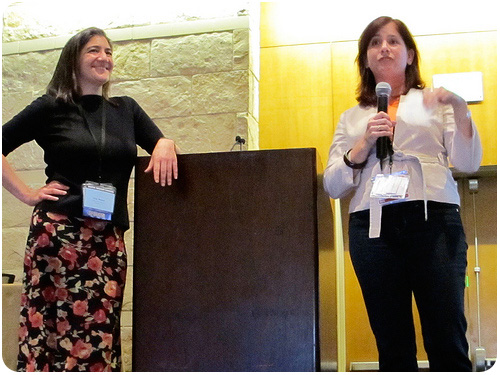
between sessions, the creative freelancer conference staff had picks of creative business success stories they wanted to share with the group. they asked my colleague & conference travel buddy, beth goldfarb, to share her new business launch of cause farm creative with the conference, as well as tell a little bit about how she came to this decision after working with her business mentor, peleg top. i’m really proud of her and think her new brand looks fantastic.

prioritizing, deciding and doing: your hands-on guide to making the best decisions

samantha bennett gave a really enjoyable presentation about how to help yourself decide what to do, lest you fall into the perils of procrastination. i really liked her system, because it’s a balance of being proactive, but also asking yourself what you really want to do, as opposed to just throwing a daunting list of things at yourself and then scolding yourself when you don’t do it all, or getting bogged down with shadow goals that aren’t actual priorities. she showed us how to make lists of everything we need to do, prioritize them based on how we’ll feel when they’re done, decide what’s important, and then get to work. one of my favorite tips from her talk was about taking 15 minutes every day before checking email to write about personal values, motivations & reasons for why we do what we do. it’s a great way to center your mind and stay focused on what matters.

wind up

this year’s conference was at a really great time for me. i was starting to open up a lot of questions about myself and how i run my business, which can be a lonely and confusing place without guidance. i held off any major decisions, and i’m so glad i let all these fantastic people in and all the helpful things they had to share. i’m leaving it feeling happy, empowered and renewed. it was also fantastic to see the physical manifestation of so many friends i made last year [we keep in touch online, but face time rocks]. with them as my main CFC network, i met a lot of new smiling faces too. i’m looking forward to getting to know all of you better in our social networks, and checking in again next year! thank you, marketing mentor and HOW for another great year!

creative freelancer conference 2010, day 1


ode to the entrepreneur, samantha bennett

it’s finally here, the creative freelancer conference for 2010! i got into denver yesterday all ready to take on the double header [CFC is closely followed by the how design conference]. the conference kicked off today at 2pm, here’s my run-down of the day’s events:

you are a business!

the opening keynote was given by ilise benun of marketing mentor: you are a business! she gave a humorous recap of how she got to be in business for herself, and talked about the various descriptions we give ourselves, as well as the different stages of success we feel we have to enjoy before we truly take our businesses seriously. these examples started off appealing to our less-business-minded sides, the ones who sometimes deny ourselves the titles we deserve, but she progressed toward some more empowering ideas many of us could identify with. one thing she said that i liked was “there’s no such thing as a business person, only business tasks.”

pitch perfect

the first session was dyana valentine‘s pitch perfect. i will admit, i’ve participated in this process in a few different incarnations, and as its developed over time, it’s become better with every revision. valentine now has this pitch brainstorming & refining exercise down to a guided worksheet, where you’re thinking about the kind of work you do best [or want to do], the clients you most want to work with, what your secret weapon is, and what clients have said when you do your best work with them. taking all these ideas, you get into the essence of what you do best and how to communicate it clearly in an elevator pitch that people outside your field can understand. really great session!

who’s the boss?

the next session was who’s the boss: managing clients and their expectations with luke mysse. i really liked this session, and not only because it echoes ideas i’ve heard by my very favorite mentors. mysse talked about moving past being a creative and becoming a business that sells creative services [again with the advice to stop denying you’re a business]. he told an honest story of the evolution of his career and shared some of his most valuable takeaways, like getting to know yourself, defining your boundaries and policies [and sticking to them], marketing yourself confidently to get the right clients for your business, keeping open communication and ultimately knowing when to move on. my favorite advice was his suggestion to offer a monthly marketing meeting with your ongoing clients, to stay engaged with their plans, offer help and solutions, and help advise them on the best moves from a marketing and design standpoint. i really like this idea, it’s so closely integrated with what i already do that it makes sense to help clients plan out their year from the beginning.

freelance success panel

steve gordon jr. at the creative freelancer conference 2010 in denver, colorado
[photo: dyana valentine]

the day wrapped up with the freelance success panel, featuring steve gordon jr., alisa bonsignore, and laura foley during which we got to hear from 3 really different professionals on their goals, how they run their businesses, and how they got to where they are today. we then got to unwind and network at a well-deserved happy hour.

i have been so happy to reconnect with so many people i met last year, catch up with where they’re at, and meet many of the new attendees. another big message of this conference is “you are not alone!” and though it may feel that way sometimes, it’s really nice to be able to tell colleagues that i love their newsletters, or that i saw some of their work in a store or online, or that they wrote a great article—or to hear compliments that they’ve been seeing & liking what i’m doing too. we’ve built this great life, going out on our own and getting to work, it’s been good to take time out, meet up and appreciate the progress.

but before any more of that happens, it’s time for bed so i can wake up early and tackle those breakfast roundtables! more tomorrow!

[continue with day 2 of the creative freelancer conference here!]

biznik article of the week

Does SEO Affect your Social networking? by Gabriella Sannino

there are still lots of questions circulating around seo, how it works and its effectiveness. sannino breaks down where social media sites can help and where they don’t, and how you don’t have to sweat the details, because they are really just part of a bigger mechanism of getting people involved with your business. a very clear explanation for those looking to make sense of seo from a non-technical standpoint.