debbie millman interviews stanley hainsworth, who has worked with starbucks, nike and gatorade, about the essence of branding, how it works, and what happens when it doesn’t. if you think branding itself is a pretty obvious concept and want to leave it at that, this interview can give you some insight as to why we keep coming back to the core values and stories, and never stop striving to connect you with your clients.
this video is super-cute, but let’s get one thing straight here … FONT just describes the electronic file that activates any one TYPEFACE. most of this video should be talking about using typefaces for their different styles—all you do is install & activate fonts on your computer to use each typeface. think of it like music and then every different format on which music is sold. sure you can say you’re listening to records, cds or mp3s, but essentially those are just delivery devices, what you’re listening to is the music they hold.
got it? now enjoy & have a lovely first weekend of fall!
this invitation to the natural history museum’s halloween event “haunted museum” brings together retro thriller movie design with vintage travel posters. see the entire profile at fpo.
furniture innovation
image: fastcodesign.com
thanks to fastcodesign.com for sharing the comfy cargo chair, which can be stuffed with anything you’d like to display while sitting in it. i only hope there’s a suggestion to add a cushion to the seat.
typography
image: H&FJ
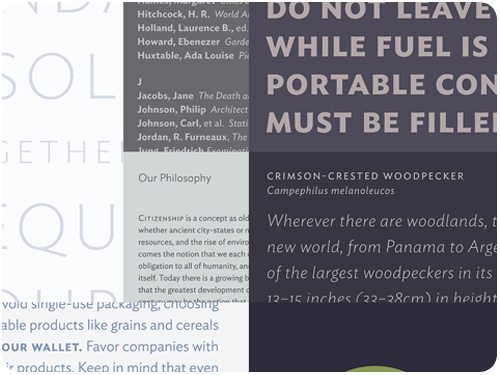
H&FJ has just announced a new typeface, ideal sans, a clean, highly-versatile sans-serif that tinkers with space and proportion while maintaining high readability.
if you’re a designer working with a developer when it comes to web development, maybe your relationship could use some guidance. smashing magazine offers two cats in a sack: designer-developer discord.
it’s never too early to incorporate design into a development process, so why not revisit your research process and integrate it wherever you can. parse can help you get started: design-research process.
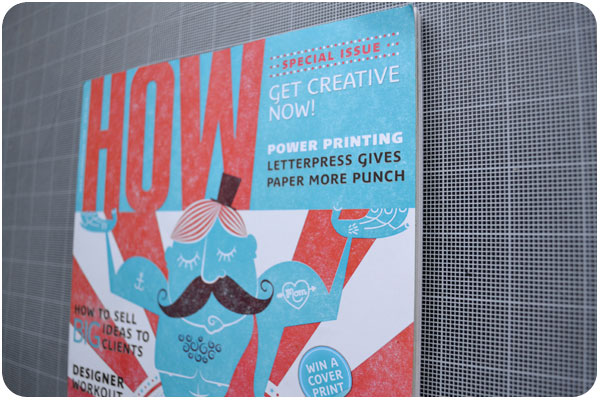
if you’ve got your how magazine‘s design & creativity issue for may 2011, check out ilise benun’s piece, “making the move,” on how to transition to freelance for advice from myself, alisa bonsignore, lydia varesco racoma and kristin maija peterson. i’ve been talking a lot about how i started planning for my transition and then put it into high action during an unexpected layoff. 3.5 years later, i’m still going strong and only getting better. if anyone has questions about what they should know or what to be aware of, i’m always happy to help.
making the move, by ilise benun for how magazine
i’ve been reading how for about 15 years, and i’ve met so many great people through it, it’s a true honor to be able to contribute to it and be included in helping other designers learn different aspects of our industry.
while job specifics vary, the process follows the same path.
we get so familiar with our own businesses and practices, that even though we may explain what it is we do, sometimes that’s really different from empathizing with the outsider’s unfamiliarity with our services. let’s not leave these things to their imagination. when we’re in the position of buying, often what we’re conscious of is the artifact, or the end result we’re shopping for, but our senses are busy researching the experience we’re buying as well. is this a good person to work with? will this business really take care of me? think about how you feel when you read testimonials that express excellent customer service—it’s a wave of relief, trust, and a subconscious vote of confidence.
recently i was preparing a brand brief for my father’s new hypnotherapy practice, and in researching other hypnotherapists in the immediate area, we only found one practitioner who took the time to walk through what a patient could expect when they sign on with her therapy practice. everyone else had a lot to say about what hypnotherapy does, took time to dispel myths about what it’s not, and made sure to list their credentials, but only one practitioner dedicated a page to what happens in her office after you walk through the door. it wasn’t information i was expecting to get, but when i did it allowed me to picture myself doing it, which was a powerful surprise. most of them let the reputation of hypnotherapy sell for them, she sold her personal touch on the experience.
finally, this past week, the AIGA held one day for design as an open forum for discussing the future of design. the discussion was varied, but there were a good deal of voices calling for the industry leaders to educate the public on the value of design, with an undercurrent about clients just not getting the true value of what we do. i gotta say, it doesn’t work that way. educating people on what any of us do in our businesses, and how it can be valued and leveraged is entirely up to us. the less tangible your service, the more important it is to show case studies, offer examples, and answer questions about how it works. our industry organizations are there to back us up and support us, not sell our services for us so we don’t have to. take charge of the conversation and have it wherever you can!
spend some time with your own marketing materials and ask yourself how much you’re speaking directly to potential clients to help demystify exactly what service you offer. try not to rely so heavily on the deliverables—unless you’re selling an entirely unique product or service, they generally know what artifactual item they’re shopping for. appeal to the instincts that are comparing experiences. if you have a web site, and look at analytics, let some of the more popular and unexpected searches be a guide as to what potential clients are yearning to learn from you. tell them about what you bring, and how you bring it.
some tips:
• don’t assume people know even the basics of how your industry works. write up a draft from start to finish of your ideal process, writing to the kind of project you’d like to be doing.
• use past experience as an example: take cues from every time you’ve had a disconnect with a client, or realized they assumed things would go differently. this is what people don’t know about how you work—tell them about it!
• ask clients for feedback on how you helped them understand the process. ask them if there are standout factors that help them decide between two similar services. what are their deal-makers & deal-breakers?
LA streetsblog started this great series, moving beyond automobiles, the first of which was about transit oriented development, and this week’s installment is about biking, above.
branding
[image: underconsideration.com]
i’m loving this new simple & quirky rebrand for the ifc channel, going from a film sprocket detail to celebrating the offbeat art that is independent film. there are all kinds of details to appreciate over at underconsideration.com.
car design
[image: miniforum.com]
i’ve had my mini long enough that i no longer look at the next iterations off the assembly line with them, but when someone posted this, i found it really cute. look at those doors! i really hope they use william shatner’s version of rocket man for the ads, ha! a slew of illustrations await at miniforums.com.
packaging design
[image: thedieline.com]
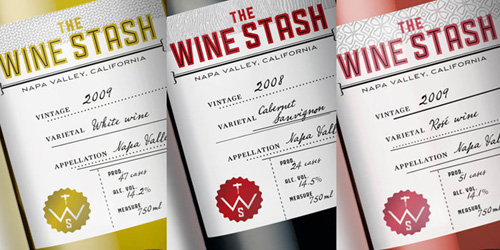
this packaging for wine stash has lots of elements i love in packaging: throwbacks to retro labeling systems, a stampy logo in the lower left corner, and a simple 2-color system with a palette that sings. see more at thedieline.com.
design industry
the case for the case study talks about rethinking how you present your work to clients, so instead of bombarding them with all your best looking stuff, you target one project that’s highly relevant to them, and go more in-depth about process.
i did an interview with ilise benun of marketing mentor and creative freelancer blog about how to transition to freelance, all the things you want to plan and the mindsets you want to change. working with ilise through marketing mentor has helped me refine so many of my marketing practices, given me great ideas about where to expand, and helped me stay on track and forge ahead. i was honored to be able to contribute to her podcast and encourage anyone else to make the jump.
part of the process of an identity development involves profiling the target markets of the client, so we can get a good idea of exactly who we’re talking to. it’s one thing to know what you want your business to say to everyone, but the reality is, you’re in a dialog with your very best clients and potential initiates to your tribe. don’t address them to whom it may concern, create a sketch of who they are and talk to them like you know them—because you do!
i can usually help with a little knowledge, research and brainstorming, but nobody knows their client base better than you. whether or not you’re in a phase of identity development, taking time aside to visualize your clients and empathize with their concerns will always help you better align your communications with their needs.
start by looking at your very best clients.
these are often people you don’t have to sell to anymore, those who understand the value of your services and are happy to keep coming back. it’s never just one type of person though, so take a look at the various types of people that comprise this group. what do they have in common, what led them to you? what are their differences? do they come from different earning brackets, different areas, different cultures? how many different groups do you have?
select three main groups by common attributes.
take what you learned by listing out client traits and behavior, and create three general client profiles. then for each, outline their individual characteristics that make them unique. where do they work, do they have kids, what would a typical day for this customer be like? what do they care about, what are their values, do they tend toward one political party? how does your business fit in? chances are, each group interfaces with your business differently, how do you usually help each group?
start using the profiles as clues for your next step.
once you have your main customer profiles and a clear statement of how you help each one, consider each one individually and try to think of other ways you might serve them. you’re talking about groups that have already bought into what you do, so they’d be your most likely audience for anything new you offer that’s relevant and useful to their daily grind. additionally, focusing on the types of people you profiled is the best way to create products and services that similar types might use, so you’re not only serving your targets, you might also discover new branches you hadn’t thought about before.
save these customer profiles, and make sure to refer to them in any brainstorming meetings on upcoming product and service developments or preparations for ad campaigns. if you break into a new sector, profile the new market and add them to the bunch. having these target profiles on hand will help keep everyone on track with who your messaging is going to, so you can make sure it’s always relevant, and revise as necessary.
[image: pop chart lab]
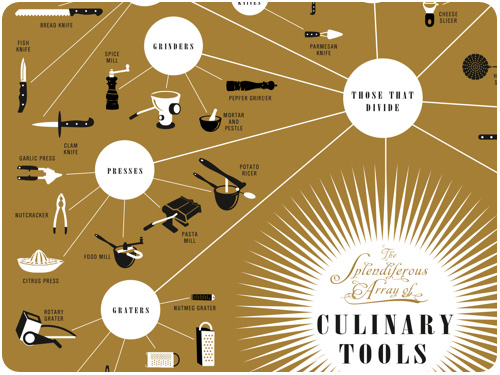
this infographic of sorted & illustrated culinary tools is a virgo, graphic designer, diy kitchen person’s dream! see the whole profile at fastcodesign.com.
packaging
[image: thedieline.com]
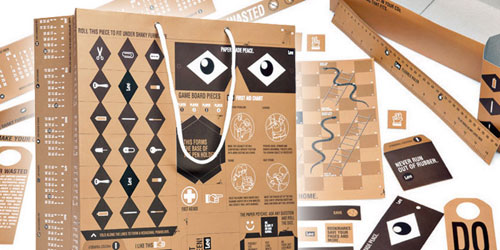
i love this shopping bag commissioned by lee, intended to be cut down and reused as a board game, calendar, ruler, mask, door hanger, and so many more things. see the full post at the dieline.com.











 parlato design studio